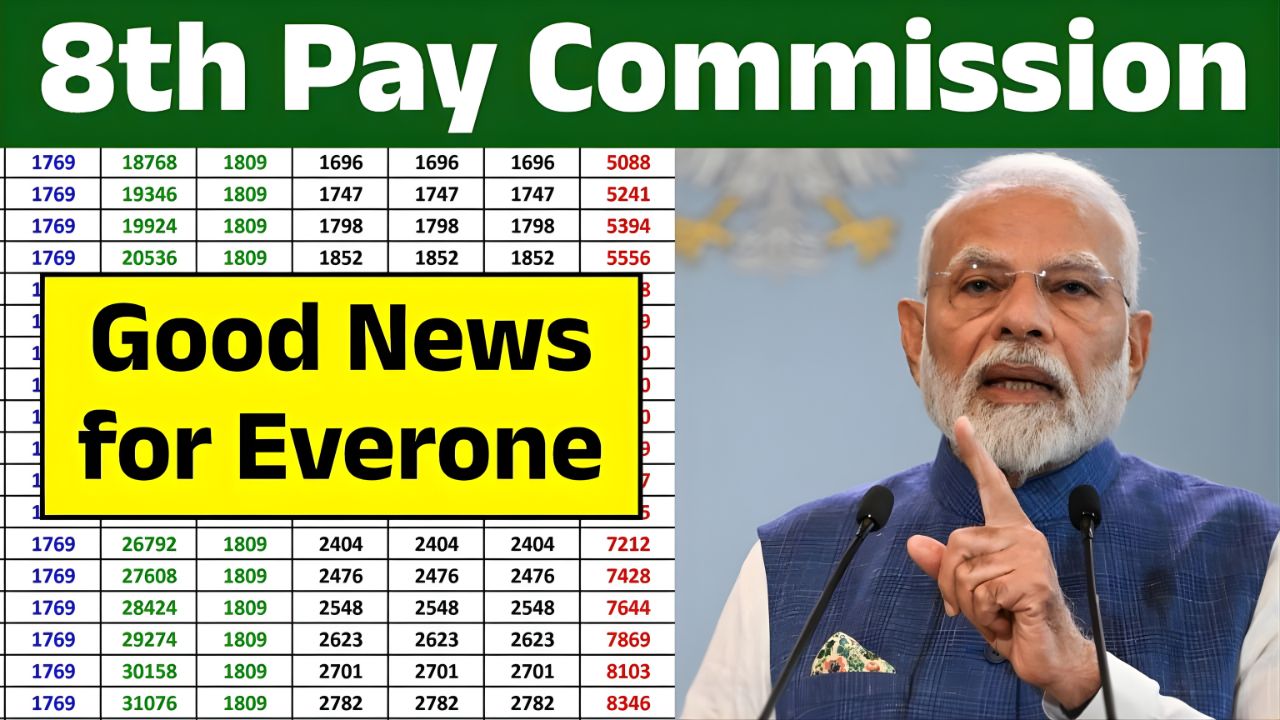
The DA merger is putting Dearness Allowance straight into the basic salary as a cost-of-living adjustment. Thus it no longer needs to be disbursed as a separate payment over variable intervals that follow inflation but will rather be consolidated into the basic. This also gives a reported enhancement in the basic pay and other emoluments dependent upon it, such as pensions, gratuity, and different allowances.
The impact on the Salary
The DA merger proposed under the 8th Pay Commission provides a hike in the basic pay figures from 2026 onwards. With the DA being part of the consolidated salary calculation, employees will get a permanent increase in their take-home pay instead of a variable component which sees a rise and fall linked with the inflation-related indices. Employees will find a substantial increase in their basic pay, which would greatly affect the gross salary figure and be a factor in yearly increments and benefits.
Implications for Pensioners
The merging of DA will primarily uplift pensioners from this collective welfare. Many components of a pension, like DR, get hinged on the basic pension. By merging DA into the basic pay, this increases the pension benefit payout. With this, instead of receiving fixed pensions with diminishing DA values, re-elected pensioners could reasonably anticipate enhanced basic pensions that will put more money towards their pensions each month than would have been effected by DA adjustments alone.
Adjusting Allowances
Allowances such as HRA, TA, and professional/special allowance (relying on the basic pay) affected by the DA merging can be potentially calculated as an additional perk or entitlement for the employees. The payment will go larger down the line. This higher scope than just salary increments could well make a significant difference in the overall compensation deal.
Long-Term Financial Security
The 8th Pay Commission is endeavoring to aid the government employees in gaining more financial security and predictability through the merging of DA into the basic pay. DA had always fluctuated with the indices of inflation, so the government would review and adjust for every multiplication of a DA increase. With DA now towards the basic pay, an employee can plan his/her saving plans for future financial commitments, such as loans, investing and retirement planning without having to worry about the future recalagements of DA.
Taxation Contemplations
The implications of the merger of DA with salary explosion on taxable income are something that has been increasingly soliciting the attention of tax professionals and payroll administrators. As an increase in the basic pay may increase the rate at which employees pay taxes to shift them to a higher tax bracket or thus affect various specific tax exemptions, hence, they should incorporate any changes in case of 2026 changes into their tax planning strategies Employers and payroll systems will also have to recalculate taxes according to revised salary structures.
Implementation Timetable
It has been stated by the government that it will start action to implement the 8th Pay Commission’s DA merger by the first quarter of 2026 backdated to employees who could be qualified. Helpful pay orders may follow with necessary notification steps before the effective date, allowing departments and those affected to be ready in terms of the needed financial adjustments and other matters concerning the payment.
What Workers Should Do Now
Employees or pensioners must check on their current pay scales, allowances, and pensions to properly validate the details before the merger is effective. Keeping the right account for personal and service details, understanding how this merger of DA will be affecting one’s pay structure, and consulting with the finance or payroll guys can get one through painless by the imminent unforeseen rules. Preparing for the financial changes to the net pay and tax deductions is advised.
The Last Word
In its very succinic conversion, we can safely say that this is a landmark achievement for the 2026 DA fusion post the 8th Pay Commission in the pantheon of public-sector remuneration policy. With positive pay in the basic service and pension and statutory allowance changes, the scope of the changes thus made is going to be enormous for the government. Since the reforms are effective, it now depends essentially on both government staff and their heads to proactively involve their organizations to ensure that maximal benefits accrue.