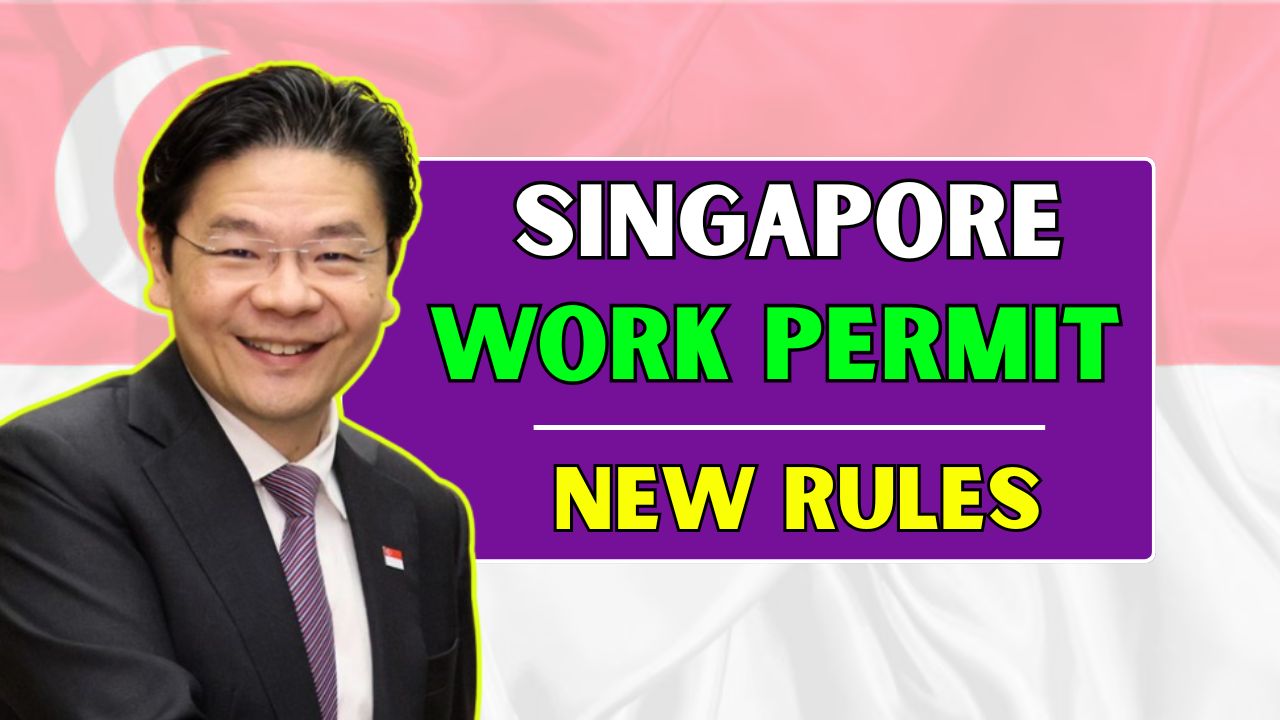
Singapore’s work permit framework is set to evolve in 2026 as authorities refine policies to balance manpower needs, worker protection, and long-term workforce sustainability. The upcoming changes are expected to affect employers across multiple sectors as well as foreign workers holding or applying for Work Permits. Understanding these updates early will help businesses stay compliant and workers prepare for new requirements.
Why the Work Permit System Is Being Updated
The updates reflect Singapore’s broader labour strategy, which aims to reduce over-reliance on foreign manpower while improving productivity and worker welfare. With changing economic conditions and demographic pressures, the government is adjusting work permit rules to better align with industry needs and fair employment practices.
Changes to Employment Conditions
From 2026, employers are expected to face clearer and more standardised employment conditions for Work Permit holders. This includes stricter oversight of wages, rest days, and accommodation standards. Authorities are placing greater emphasis on ensuring that workers are treated fairly and that employment terms match what was declared during the application process.
Revised Employer Responsibilities
Employers will carry stronger compliance obligations under the updated framework. This includes closer monitoring of worker well-being, timely salary payments, and accurate record-keeping. Companies that fail to meet these standards may face tighter penalties, reduced quotas, or restrictions on future hiring.
Adjustments to Sector-Specific Rules
Different industries such as construction, manufacturing, marine, and services are expected to see refined permit conditions. These adjustments may include changes to quota limits, levy structures, or skill requirements. The goal is to encourage firms to upskill workers and adopt technology rather than relying solely on manpower expansion.
Medical and Insurance Requirements
Worker protection remains a key focus in 2026. Enhanced medical coverage and insurance requirements are expected to ensure that Work Permit holders have adequate access to healthcare and financial protection in case of illness or injury. Employers will be required to meet updated coverage standards as part of permit compliance.
Digitalisation of Work Permit Processes
Singapore continues to move toward a fully digital employment administration system. In 2026, more work permit processes are expected to be handled online, including renewals, updates, and compliance reporting. This aims to reduce processing time while improving transparency for both employers and workers.
Impact on Existing Work Permit Holders
Current Work Permit holders are not expected to lose their status abruptly, but they may be required to meet updated conditions during renewals or job changes. Workers should stay informed and ensure that personal records, medical checks, and employment details remain accurate and up to date.
What Employers Should Do Now
Businesses employing foreign workers should begin reviewing internal policies, contracts, and compliance procedures. Preparing early for the 2026 changes will help employers avoid disruptions, penalties, or delays in workforce planning.
Looking Ahead
The 2026 work permit changes signal Singapore’s continued focus on sustainable workforce management. By strengthening protections, refining employer responsibilities, and promoting productivity, the updated system aims to support economic growth while maintaining fairness and resilience in the labour market.